How I Landed a Paid Logitech Deal at 15 and Pulled 3.1M Views
Logitech reached out when I was 15 through TikTok’s Creator Marketplace System. Up to that point, I was just doing what every creator says they do but most people don’t actually follow through on: posting constantly, learning what made people stop scrolling, and treating every upload like practice reps. When that message came in, it wasn’t “hey can we send you this product and not pay you? We only want free exposure,” it was structured and paid. Real deliverables, a real expectation of quality, and a real timeline. It was one of the first times it felt obvious that the internet wasn’t just a place to post, it was a place where brands actively hunt for people who can perform on platform.
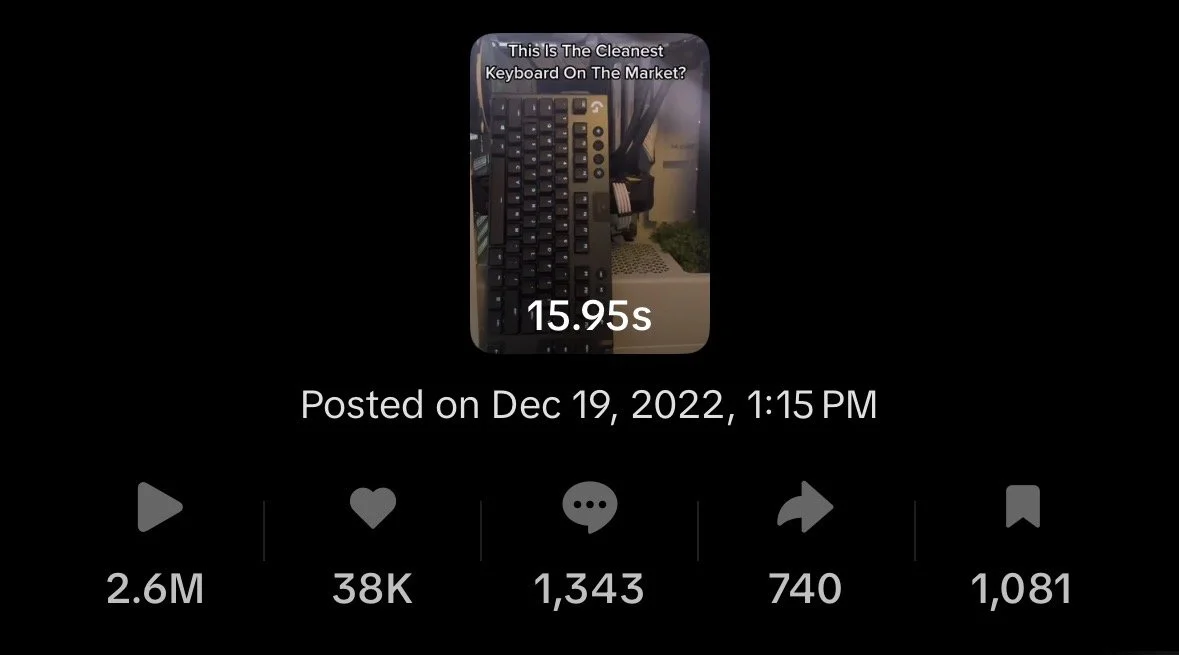
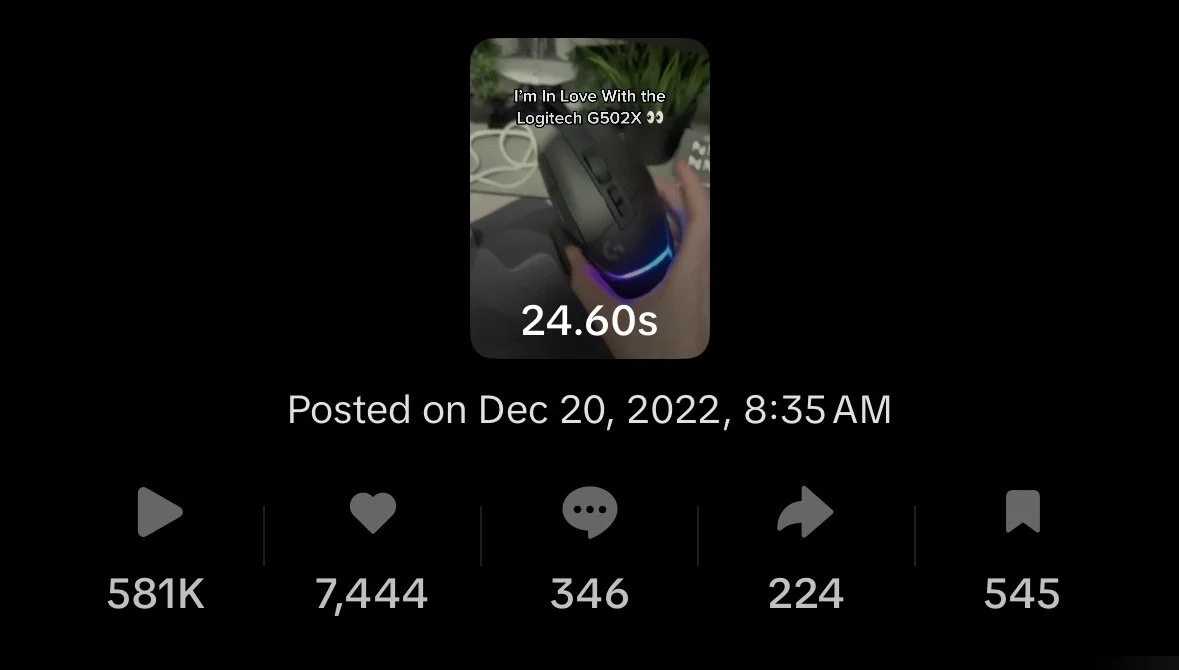
They shipped me the products and I treated it like a proper production, not a random unboxing. The gear was legit: the G915 TKL Lightspeed and the G502 X Lightspeed were the main pieces, and the whole point was making content that felt native to TikTok while still hitting whatever the brand needed to see. That balance is the hardest part of paid work. If it feels like an ad, people scroll. If it feels like you ignored the product, the brand isn’t happy. So the entire approach was: hook first, clarity second, proof third. Show the product fast, make the benefit obvious without sounding like a script, and build the video around a simple idea people actually care about, not around a list of features nobody asked for.
What people don’t see is how much of brand work is just being professional when nobody expects it from you, especially at that age. Messaging clean, confirming deliverables, asking the one or two questions that save you from redoing everything later, and then delivering on time with no drama. I was basically running the whole loop myself: concept, shooting, editing, revisions, posting, and reporting. Even if the deliverable is “just a TikTok,” the actual job is making it perform. That means tightening pacing, cutting anything that drags, making the first second undeniable, and making sure the product is integrated in a way that looks natural. The difference between an average sponsored post and a great one is usually not the camera, it’s the structure and restraint.
And it worked. Those two short-form videos hit 3.1 million views combined, which is the part I still point to because it’s hard proof that the content wasn’t just “posted,” it landed. That number matters because it’s exactly what brands care about when they’re deciding who to work with again: can you make it feel like real content and still move product attention? It validated the whole idea that you don’t need a massive team or a perfect setup to win, you need execution. It also taught me something that stuck: brands don’t pay for vibes. They pay for someone who can take a product, turn it into something people actually watch, and do it reliably.
Looking back, that Logitech deal didn’t just feel cool because of the logo. It became a turning point in how I treat every client project now. It was the first time I realized you can be young and still be taken seriously if you act like the work matters. It turned into a portfolio anchor because it proves multiple things at once: I can get discovered through performance, I can work inside a brand brief without losing my voice, I can deliver on time, and I can generate real reach when it counts. That’s why I still talk about it. Not because it’s a flex, but because it’s a clean example of what I do: take a real deliverable, build it for the platform, and make it hit.